
V2H Charging Explained: Using an EV Battery for Home Backup
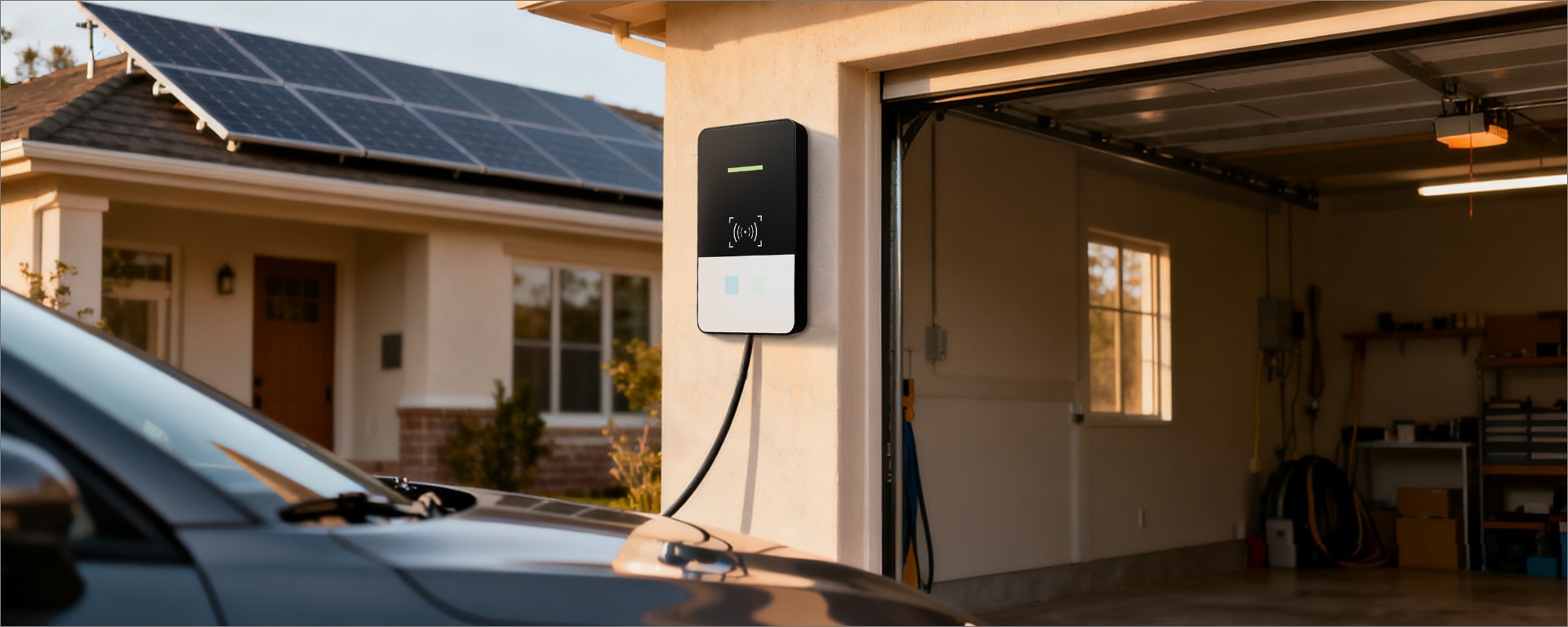
V2H allows an electric vehicle to supply electricity back to a home through bidirectional charging technology. A typical EV battery with 60–100 kWh capacity can provide several times more storage than many residential batteries, which often range from 10–20 kWh. When connected with a compatible charger, the vehicle can support household appliances during outages, store solar energy, and help reduce electricity use during high-price periods. An EV battery can become a flexible home energy source instead of being used only for driving.
Electric vehicles have traditionally been designed to receive electricity from the grid, but V2H changes this relationship by allowing power to move in both directions. The vehicle charges like normal when electricity is available, then sends stored energy back to the home when needed. This process requires a bidirectional charger, an inverter system, and communication between the vehicle, home energy system, and electrical grid.
A standard EV charger only transfers electricity from the grid to the battery. A V2H system adds the ability to export electricity safely. The charger controls voltage, current, and power flow to ensure that the vehicle battery and home electrical system operate within safe limits.
“A V2H-equipped EV works as a mobile battery storage unit that can support household electricity needs when connected to the proper equipment.”
The amount of backup power depends on battery capacity and household consumption. For example, a vehicle with a 77 kWh battery could supply essential home loads such as lights, refrigerator, Wi-Fi equipment, and security systems for several days if daily electricity use is controlled at around 10–15 kWh.
| EV battery capacity | Possible home backup use |
|---|---|
| 40–50 kWh | Basic appliances for 1–3 days |
| 60–80 kWh | Multiple household systems for several days |
| 90–100+ kWh | Extended backup with controlled consumption |
The increasing size of EV batteries has made V2H more practical. Many electric vehicles introduced after 2020 use battery packs above 60 kWh, while some pickup trucks and large SUVs exceed 100 kWh. These capacities are comparable to several residential energy storage units combined.
The main reason homeowners consider V2H is backup electricity during grid interruptions. Severe weather events, aging infrastructure, and increasing electricity demand have increased interest in alternative home power solutions in countries such as the United States, Australia, and Japan.
When a power outage occurs, a properly installed V2H system can disconnect the house from the grid and allow the EV battery to supply selected circuits. This prevents electricity from flowing back into damaged grid lines, which is an important safety requirement.
A typical backup process includes:
-
The home system detects a grid outage.
-
The transfer equipment isolates the home from external electricity.
-
The bidirectional charger begins supplying power from the EV battery.
-
The energy management system controls which appliances receive electricity.
The amount of time an EV can power a home depends heavily on energy use. According to residential energy studies, essential household loads can often be maintained with less than 50% of normal daily electricity consumption during outages. Heating, air conditioning, and electric water heaters usually consume the largest amount of power.
V2H also provides another application when the grid is operating normally. Electricity prices in many regions change throughout the day, with higher prices during peak demand periods. A connected EV can charge when electricity costs are lower and provide some stored energy during expensive periods.
For example, if an electricity provider offers lower nighttime rates, an EV owner can charge overnight and use stored energy during afternoon peak hours. In some markets, time-based electricity pricing programs have expanded since 2015, encouraging homeowners to manage when they consume electricity.
| Energy use period | V2H operation |
|---|---|
| Low-price hours | EV charges from the grid |
| High-price hours | EV can supply part of household demand |
| Solar production hours | EV stores excess renewable electricity |
Solar integration is another major area where V2H is being developed. Rooftop solar systems often produce the most electricity around midday, while households usually consume more energy in the evening. An EV battery can store extra solar generation during the day and provide electricity after sunset.
A home with solar panels and V2H equipment can follow a simple pattern:
“Solar panels produce electricity, the EV stores extra power, and the home uses that stored energy when solar production decreases.”
This approach can improve renewable energy use. For example, a 10 kW residential solar system may produce more electricity than a home needs during sunny hours. Instead of sending all excess electricity back to the grid, some of that energy can be stored in the EV battery.
V2H systems are different from traditional home batteries in several ways. A home battery is installed permanently, while an EV battery already has a transportation purpose. This creates both advantages and limitations.
| Feature | V2H | Home battery |
|---|---|---|
| Location | Inside vehicle | Fixed installation |
| Typical capacity | 40–100+ kWh | 10–20 kWh |
| Main use | Driving and energy storage | Energy storage only |
| Mobility | Vehicle can move | Remains at home |
The larger capacity of EV batteries is one reason V2H attracts attention. A vehicle with an 80 kWh battery may store four to eight times more electricity than many residential storage systems available today.
However, V2H requires compatible vehicles and charging equipment. Not every EV supports electricity export, and manufacturers use different technical standards. The availability of bidirectional charging models has increased since around 2020, but adoption is still developing.
Battery wear is another consideration. EV batteries are designed for thousands of charging cycles, but additional charging and discharging may influence long-term performance. Modern battery management systems monitor temperature, charging speed, and battery condition to reduce unnecessary stress.
Charging equipment also affects the user experience. Products such as ESYsunhome EV22 V2E represent the development of bidirectional energy solutions designed to connect electric vehicles with residential power systems.
Communication between the EV, charger, and home energy system is becoming more important as smart energy technology develops. Future systems may automatically decide when to charge, when to supply electricity, and how much energy should remain available for driving.
Several factors influence V2H operation:
-
Battery state of charge
-
Household electricity demand
-
Local electricity prices
-
Solar generation levels
-
Grid conditions
-
User driving plans
Automated energy management can help owners maintain enough battery capacity for transportation while still using the vehicle as a home energy resource.
Vehicle manufacturers and energy companies have been testing V2H and related technologies for more than a decade. Research projects in Japan began exploring vehicle-based home power systems after the 2011 earthquake, while manufacturers in Europe and North America have expanded trials since 2018.
The future development of V2H depends on wider availability of compatible vehicles, lower equipment costs, and improved charging standards. As EV ownership increases, millions of connected vehicles could provide additional storage capacity for electricity networks.
A single EV may not change household energy use significantly, but a large number of connected vehicles could support grid flexibility. For example, if thousands of vehicles provide several kilowatts each during peak periods, the combined electricity support can become substantial.
By 2030, global EV adoption is expected to continue increasing, creating more opportunities for vehicle-based energy systems. V2H technology allows electric vehicles to serve two purposes: transportation during the day and electricity storage when parked.
The development of bidirectional charging is changing the role of EVs in residential energy systems. Instead of remaining inactive when parked, vehicles can participate in home electricity management, support backup power needs, and work together with renewable energy sources.